
Bourg-Saint-Maurice to Tignes: Surviving the Last Mile Mountain Climb
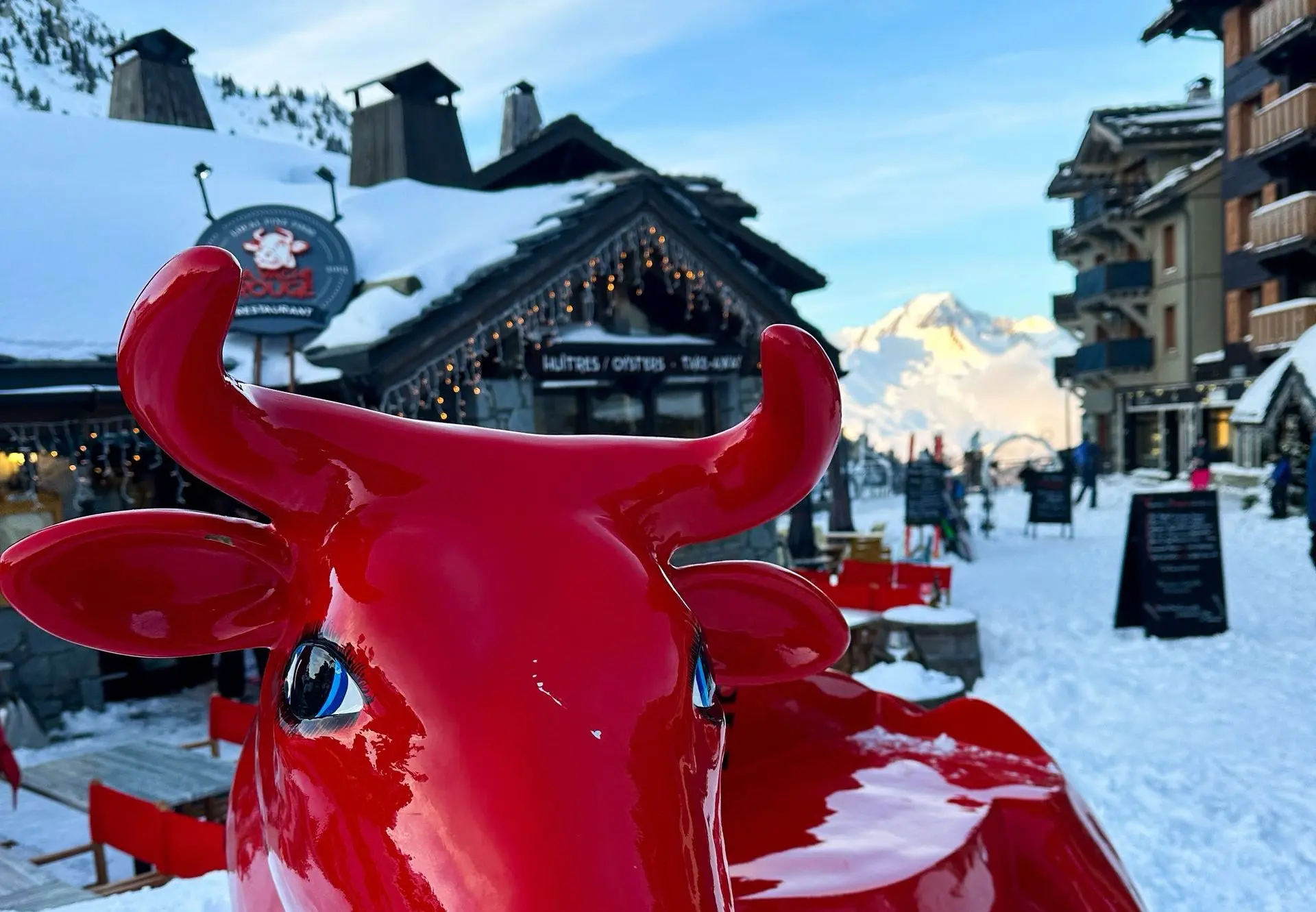
Image from pexels.com
You step off the train at Bourg-Saint-Maurice, look up at the peaks, and assume the hard part of your journey is over. You are wrong. The BSM train station sits at an altitude of just 810 meters. Your destination, Tignes, sits at 2,100 meters. The railway only got you to the valley floor.
Now you face the final 30 kilometers. This is not a gentle valley cruise. It is a steep, winding ascent up the D902 road. If you rely on local mountain buses for this segment, you will battle crowded transit terminals, unpredictable avalanche control delays, and centralized drop-off points. Dragging heavy ski bags through deep snow at high altitude because your bus left you in the wrong village is a brutal way to start a holiday.
You need a smarter approach for this final, critical leg. Here is the physical reality of the mountain road between Bourg-Saint-Maurice and Tignes, and why bypassing the local transit bottleneck is the most strategic choice for groups traveling with gear.
The D902 Ascent: 30 Kilometers of Steep Hairpins
The drive from the Bourg-Saint-Maurice train station (810m) to Tignes (2,100m) is a demanding 30-kilometer climb that involves navigating the steep, winding D902 road past Lac du Chevril. It is not a straight valley drive; it is a serious alpine ascent requiring specialized driving skills and winter equipment.
As soon as you leave BSM, the road pitches upward sharply. You immediately hit a series of tight hairpin turns designed to gain altitude quickly. The route carves into the side of the mountain, passing through avalanche galleries and tight tunnels. Around the halfway point, the road skirts the massive Lac du Chevril dam. The weather here shifts rapidly. A clear valley floor in BSM frequently gives way to heavy snowfall and zero visibility near the dam.
Local buses are large, heavy vehicles. They struggle on these steep inclines, especially when fully loaded with passengers and gear. When the road surface deteriorates, these buses crawl. If a passenger car without snow chains spins out ahead, the bus stops completely. You are stuck inside, wearing winter gear in a crowded cabin, unable to move until the local gendarmerie clears the obstruction.
Avalanche Control & Weather Delays
During heavy snowfalls, the road up to Tignes is frequently slowed or temporarily closed for PIDA (Plan d'Intervention pour le Déclenchement des Avalanches) operations. Sitting on a crowded local bus with no legroom during a road closure is miserable.
Tignes is a high-altitude resort built in avalanche terrain. When heavy snow hits, safety teams use explosives to trigger controlled avalanches above the D902 road. They do this to prevent natural slides from hitting traffic. During these PIDA operations, the police shut down the road entirely.
If you are on the local bus, you wait. You cannot get out. You cannot change your route. You sit in the aisle or a cramped seat for an hour or more while the teams work. Private transfers monitor these closures in real-time. While a private van cannot bypass a hard police barricade, experienced local drivers adjust departure times from BSM or wait at designated safe zones where passengers can at least step out, grab a coffee, or use a restroom rather than being trapped in a coach.
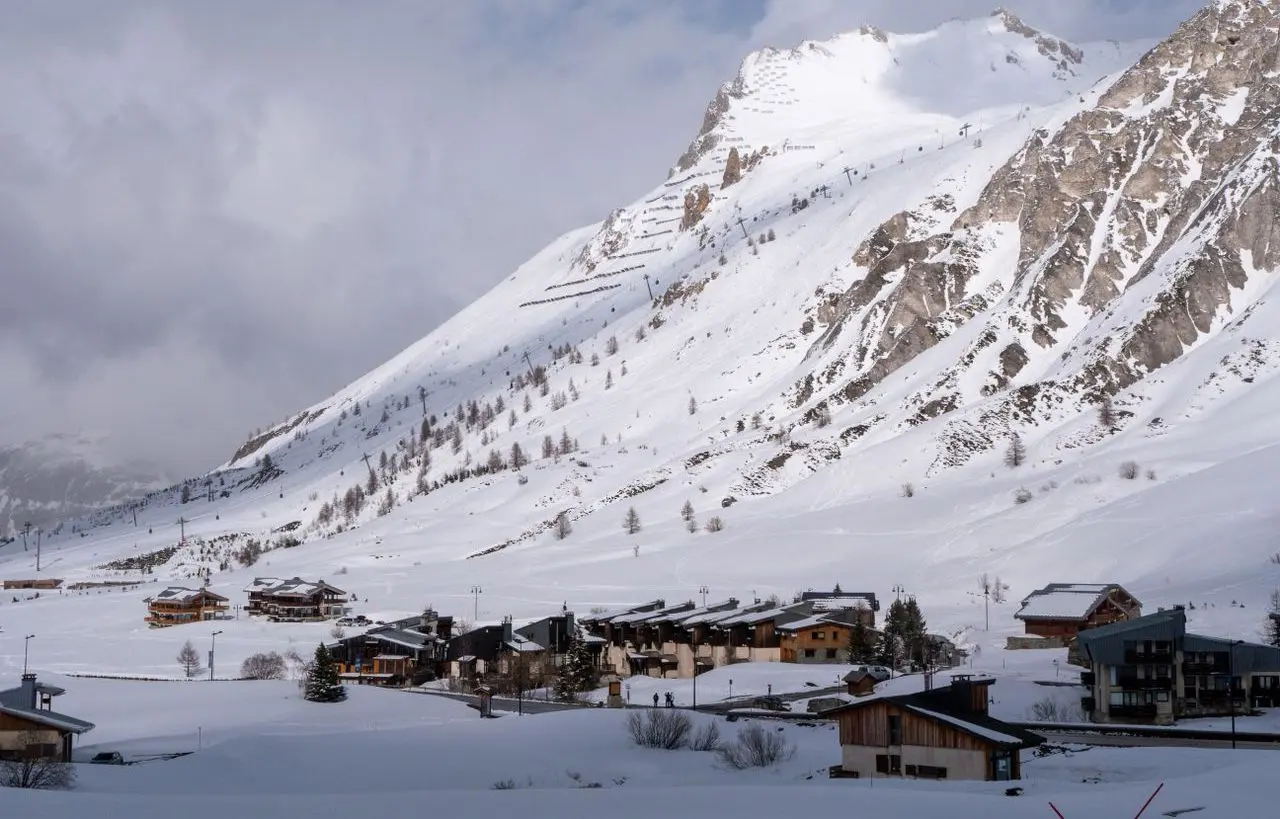
Image from pexels.com
The "Wrong Village" Drop-off
Local buses deposit passengers at centralized transit hubs like Maison de Tignes in Le Lac. If your accommodation is in Val Claret or Les Brévières, you must physically drag your heavy luggage across snowy roads to reach your reception desk.
Tignes is not a single cohesive town. It consists of multiple distinct villages spread across different altitudes and valleys. The public bus from Bourg-Saint-Maurice does not offer a tailored route based on passenger destinations. You disembark at a primary bus stop alongside dozens of other travelers.
Navigating from the central Le Lac station to a chalet in Les Boisses requires catching an internal resort shuttle. Doing this in winter weather while hauling a 23kg suitcase and a double ski bag is physically punishing. Resort shuttles also run on limited schedules late at night. If your train is delayed and you catch the last public bus up the mountain, you will likely miss that final local shuttle connection.
A Valley-Wide Bottleneck: BSM vs. Moûtiers
Every major train station in the Tarentaise Valley suffers from the same altitude bottleneck. Disembarking at Bourg-Saint-Maurice or Moûtiers leaves you miles below the snowline, facing an expensive and slow secondary road climb.
Bourg-Saint-Maurice is not an isolated logistical trap. Travelers heading to the neighboring Three Valleys ski area face identical friction one stop earlier on the SNCF line. Whether you are climbing the D902 to Tignes or navigating the final 38km from Moûtiers to Val Thorens, the valley floor rail terminals force your group onto slow public coaches and depleted local taxi ranks.
Door-to-Door Glacier Access
A 3valley-transfers private transfer eliminates the Bourg-Saint-Maurice railway bottleneck entirely. Your driver loads your gear at the airport and drops you exactly at your specific Tignes chalet, avoiding all centralized bus terminal layovers and extra shuttle rides.
Paying for rail tickets when taking the Geneva Airport train to the French Alps just to get stuck on the valley floor makes little logistical sense. Private transfers change the transit equation for groups carrying winter sports equipment. Instead of acting as your own porter across multiple transit networks, you secure a direct route to the snow.
Here is how the final leg compares when you bypass the local transit system:
| Transit Feature | BSM Local Public Bus | 3valley-transfers Private Transfer |
|---|---|---|
| Final Drop-off Point | Centralized bus terminals | Direct to your hotel reception desk |
| Luggage Handling | Self-loaded under crowded coaches | Handled entirely by your driver |
| Schedule Flexibility | Fixed timetable with zero wait tolerance | Departs on your specific arrival schedule |
| Village Coverage | Limited to main hubs (Le Lac) | Full access to Val Claret, Les Brévières, etc. |
Getting dropped at your door in Val Claret means you unpack immediately. You preserve your energy for the glacier rather than burning it on logistical hurdles.
Secure a Direct Alpine Ascent
Getting to Bourg-Saint-Maurice is only part of the trip. The final 30 kilometers up the D902 is a serious alpine ascent. Relying on public buses for this last mile means risking weather delays in crowded coaches and navigating multiple transfers just to reach your hotel lobby. You burn valuable time and energy before you even see the slopes.
A private transfer rewrites the logistics of this final climb. Your driver navigates the hairpins, monitors the road conditions, and delivers you straight to your accommodation.
Skip the valley floor bottleneck. Book a flat-rate transfer from Geneva or Bourg-Saint-Maurice directly to your Tignes chalet with 3valley-transfers, and start your holiday the moment you arrive.
Frequently Asked Questions
Do local buses run from Bourg-Saint-Maurice to Tignes at night?
Public bus service between BSM and Tignes drops significantly after 7:00 PM. If your train arrives late due to winter delays, you risk missing the final connection and being forced to hire an expensive last-minute taxi or stay overnight in BSM.
Are chains required to drive the D902 to Tignes?
Yes. During the winter season, French law requires vehicles traveling the D902 to carry snow chains or use specialized alpine winter tires. Police frequently set up checkpoints in BSM to enforce this during heavy snowfalls.
How do I get to my hotel if the bus drops me in Le Lac?
If your accommodation is outside the central Le Lac area, you must wait for the free resort shuttle (navette) or walk. Dragging heavy luggage across snow-covered roads in Val Claret or Les Brévières is difficult and time-consuming.
