
Chasing the Early Snow: The Safest French Alps Resorts for a December Ski Trip
Image from: pexels.com
Booking a December ski holiday often feels like gambling against unpredictable early-winter weather patterns. Arriving at a low-altitude village to find green pastures, slushy lower slopes, and closed lift networks instantly ruins your winter getaway. You invest months of planning and hard-earned cash, only to spend your days waiting around in rain showers instead of carving down open pistes.
Relying on hopeful forecasts or picturesque village brochures will not guarantee snow before January. Mild Atlantic fronts regularly wash out resorts sitting below 1,600 meters in early winter. You end up riding crowded cable cars down the mountain each afternoon because valley runs lack an adequate base to ski home.
Targeting high-altitude ski domains with glacier access eliminates this seasonal risk. Securing lodging at high elevations guarantees colder temperatures, reliable snow preservation, and operational pistes throughout early winter. By applying strict elevation rules and arranging dependable alpine transport, you turn an early-season gamble into a reliable winter holiday.
The Golden Rule of Altitude
To guarantee skiable natural snow before January, you must book accommodation and ski terrain situated strictly above 1,800 meters.
Early-season storms in the French Alps are thermally volatile. Atlantic weather systems frequently push the freezing level to 1,500 meters, dumping rain on traditional valley towns while dropping half a meter of dense powder higher up. Lower resorts rely on snowmaking cannons, but artificial snow production requires sustained temperatures below -2°C to run effectively.
A base elevation above 1,800 meters delivers three practical advantages for early winter travel:
- Sub-Zero Cold Retention: Ground temperatures stay consistently below freezing, allowing natural snowfall to bond and form a durable base without mid-day freeze-thaw crusting.
- Ski-In/Ski-Out Reliability: Higher villages keep their home runs open to the door, preventing painful end-of-day downloads on gondolas.
- Extensive North-Facing Terrain: High-altitude bowls shelter snow surfaces from direct sunlight, preserving dry powder conditions across December.
Booking below this threshold turns your trip into a gamble against seasonal temperature spikes.
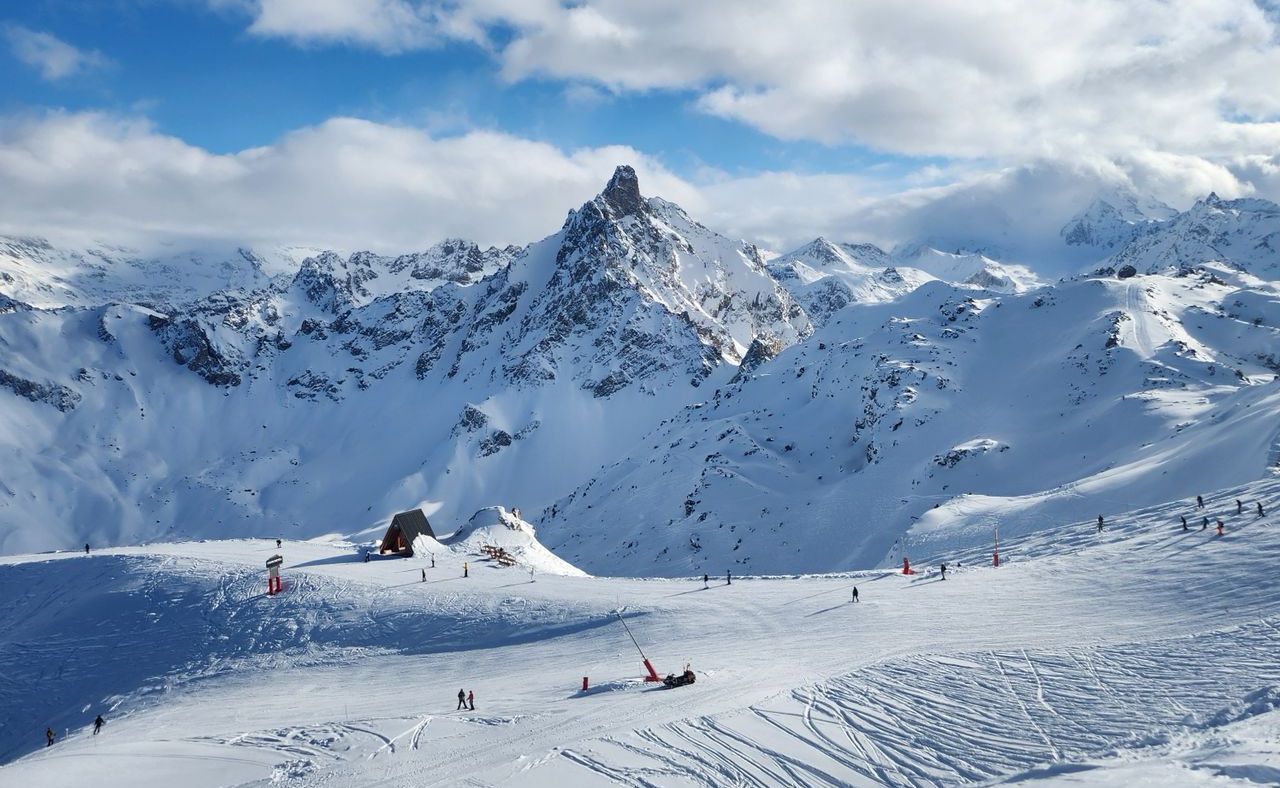
Image from pexels.com
The "Safe Bets": High-Altitude, Glacier-Linked Domains
The most reliable early-season French resorts pair high village elevations with lift systems extending above 3,000 meters onto glacial terrain.
Selecting a resort with glacial infrastructure protects your ski holiday even during dry autumn starts. Three specific destinations consistently outperform the rest of the Alps throughout December:
- Val Thorens (2,300m): As the highest ski resort in Europe, 99% of its ski area sits above 2,000 meters. The resort opens in late November with linked access across the Belleville valley to Cime Caron (3,200m).
- Tignes (2,100m): Lift access directly serves the Grande Motte glacier at 3,456 meters. The terrain opens for autumn training and provides consistent, winter-packed snow across Le Lac and Val Claret by early December.
- Les Arcs 2000 (2,000m): Perched in a deep high-altitude bowl beneath the Aiguille Rouge (3,226m), this sector captures early storm tracks from Mont Blanc and retains deep natural coverage.
These three domains guarantee cold snow, expansive lift-linked mileage, and dependable ski-in access when lower valleys are still waiting for winter to arrive.
The Weather Reality: Building the Winter Base
Early winter in the high Alps brings active storm cycles, creating rapid snowfall accumulation, frequent whiteouts, and severe sub-zero temperature drops.
Skiers chasing December powder must respect the meteorological trade-off. Natural snowbases do not build silently overnight. They arrive through intense North Atlantic depressions and Mediterranean moisture corridors that collide over the Savoie peaks. When these frontal systems strike, high alpine passes can accumulate 40 to 80 cm of dense snowfall in under 24 hours.
This dynamic weather creates specific mountain operating realities:
- Sudden Freezing Fronts: Road surfaces drop below zero within minutes as sunset approaches, instantly freezing storm runoff into transparent sheet ice.
- Whiteout Conditions: Heavy summit squalls reduce visibility to under five meters above the tree line, halting overhead lift links between valleys.
- Avalanche Safety Control: Resort safety patrols conduct active avalanche blast work each morning, which can temporarily close upper access roads like the D902 to Tignes or the D117 to Val Thorens.
Planning an early trip requires vehicles that handle abrupt blizzards without roadside panic.
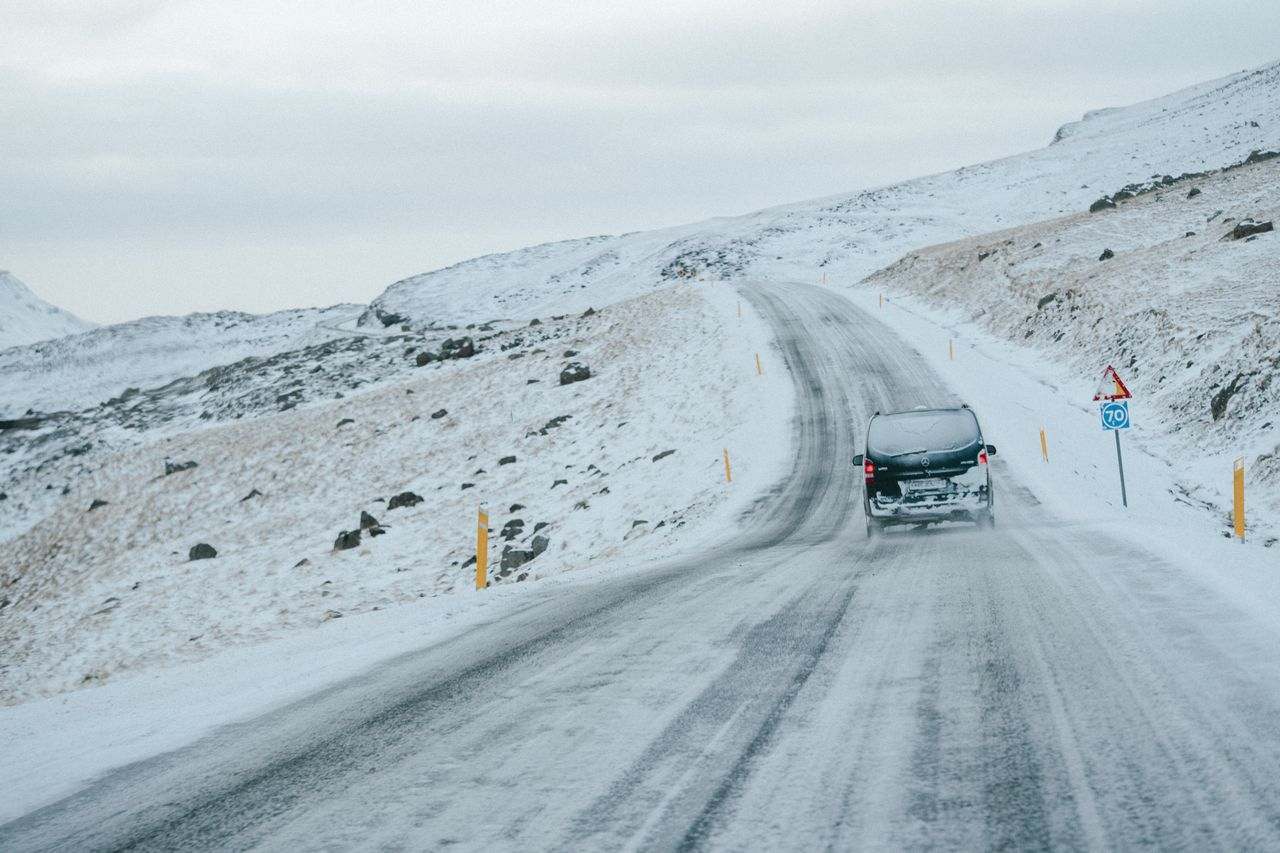
Image from: pexels.com
The Transfer Pivot: Conquering December Mountain Roads
Pre-booking a dedicated 4WD transfer with local alpine drivers ensures safe transit through active blizzards, avoiding the hazards and severe breakdown risks of self-drive rentals.
Driving a rental car up to Tignes during a heavy December snowstorm is not for the faint of heart. Don't risk ruining your Christmas holiday on an icy hairpin turn. Our fleet is equipped with premium winter tires and chains, driven by locals who navigate whiteouts every week.
Rental counters at Geneva Airport frequently hand keys to two-wheel-drive vehicles fitted with standard all-season tires. On the steep switchbacks above Bourg-Saint-Maurice or Moûtiers, front wheels lose grip, spin out, and immobilize the car. Fitting cold metal tire chains on a dark, slushy mountain shoulder in freezing wind tests anyone. A single snapped chain link can tear through wheel arches or damage brake lines.
A professional private transfer eliminates mountain road anxiety entirely. High-clearance all-wheel-drive vans handle deep snow accumulations with ease. Experienced local drivers monitor real-time road reports from the Savoie prefecture, bypass valley queues, and escort your family smoothly to your accommodation entrance.
December Travel Comparison: Reaching 2,000m+ Resorts
|
Feature |
Standard Airport Car Rental |
Shared Regional Bus |
Dedicated 4WD Private Transfer |
|---|---|---|---|
|
Severe Weather Equipment |
Optional chains, basic tires |
Heavy-duty coach tires |
4Motion/Quattro AWD + 3PMSF winter tires |
|
Whiteout Driving Experience |
Unprepared tourist drivers |
Standard commercial route |
Experienced local alpine drivers |
|
Roadside Chain Installation |
Manual, in freezing snow |
Done by coach driver |
Not required under standard snow flow |
|
Chalet Arrival |
Walk from village parking lot |
Walk from exposed bus station |
Direct drop-off at chalet door |
|
Risk of Stranding |
High (Spin-outs, burnt clutches) |
Moderate (Canceled bus schedules) |
Extremely low (Route agility and 4x4) |
Secure Your Early-Season Mountain Route
Chasing December powder delivers uncrowded slopes and pristine winter conditions when you target resorts built above 1,800 meters. Balancing high-altitude ski planning with proper winter logistics guarantees that early storms work in your favor rather than derailing your trip.
Skip the hazards of low-elevation thaws, bypass rental car breakdowns on icy hairpins, and ride directly to your mountain accommodation.
Ready to hit early powder without travel stress? Book your private high-altitude ski transfer with 3Valley Transfers today to lock in a dedicated winter-equipped vehicle and an experienced alpine driver.
Frequently Asked Questions
Early-season ski trips require clear contingency plans for sudden high-altitude snowstorms, mountain road laws, and changing resort operating schedules.
When do high-altitude French ski resorts open for the season?
Val Thorens and Tignes typically open their lifts between late November and the first week of December, with glacier sectors opening even earlier depending on autumn snowfall. Les Arcs 2000 opens in mid-December to link the full Paradiski network for the Christmas holidays.
Are winter tires and snow chains legally required for driving in the Alps?
Yes. The French Loi Montagne II mandates four 3PMSF-certified winter tires or removable metal chains in vehicles travelling mountainous zones of the Savoie department from November 1 through March 31. Police enforce checkpoints at valley bases during active snowfalls and turn away unprepared vehicles.
What happens if an alpine access road closes due to an avalanche?
Prefectures temporarily close exposed canyon stretches like the D902 past the Chevril Dam to perform controlled avalanche blasting. Professional drivers track departmental road alerts in real time, adjust timing in the valley, or hold vehicles at safe lower staging hubs until maintenance crews clear the pass.
Can early-season transfers accommodate extra baggage for winter layers?
Yes. Dedicated long-wheelbase transfer vans come equipped with dedicated cargo compartments designed specifically for bulky cold-weather luggage, thermal boot bags, and full-length ski bags without taking away passenger cabin space.
